The SSPX and the Importance of Technicalities
Catholics who choose to take advantage of legal loopholes ought to weigh the eternal consequences of getting it wrong.


Catholics who choose to take advantage of legal loopholes ought to weigh the eternal consequences of getting it wrong.
How long does a state of affairs designated a “crisis” have to last before it just becomes the status quo?
I caution anyone to consider carefully the claim that the active priesthood of the Novus Ordo is more important than the more targeted work of the SSPX.

The past few weeks, I have been thinking a lot about you at this bleak Catholic crossroad, where Extraordinary and Ordinary form Mass attendees suffer in different ways.
When fierce arguments break out between Catholics, particularly online, they sadly have been marked by personal attacks and uncharitable accusations about the motives of others.
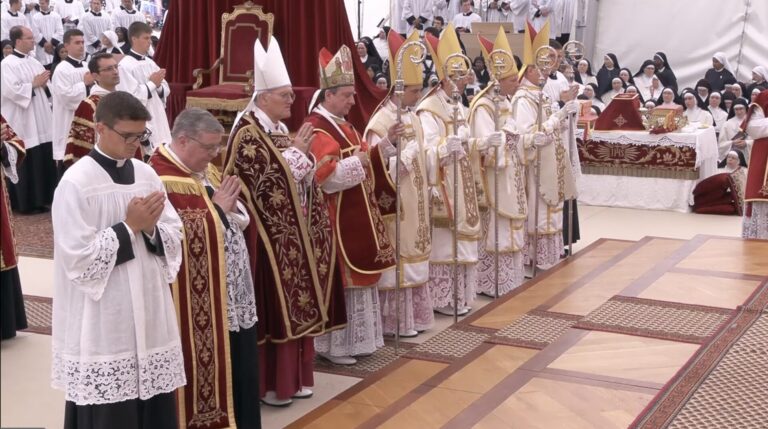
While the SSPX (rightly) presents its dispute with the Vatican as one of doctrine, it ignores its own doctrinally problematic elephant in the room.
Despite real disagreements between the SSPX and Rome, Fr. Pagliarani’s “Declaration of Faith” reveals substantial common ground on core Catholic doctrine.
In the context of Church history, was Don Pagliarani’s “controversial” statement actually so controversial?
Defenders of the SSPX commit a category error when they invoke a state of emergency (or grave necessity) to justify disobedience.
The question of whether or not the SSPX should consecrate new bishops is a question of prudence, as competing goods are at stake.
The Church’s ‘state of emergency’ is exemplified by this: that for Rome, the only unforgivable sin is noticing there is a problem.
I will not rehearse the theological disputes here. You are an intelligent man, and you can do your reading. I will only ask you to consider the charity of your patron, St. Augustine.
While an act may violate the requirement for a pontifical mandate, it does not necessarily juridically constitute a rupture of communion or schism.
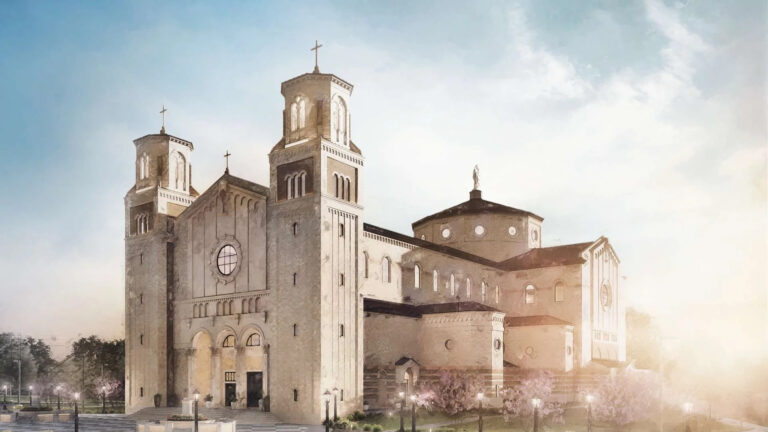
The SSPX responds to recent questions posed concerning their canonical irregularities and underlying doctrinal disputes with Rome.
There are a host of Catholic commentators who express their disdain for the “disobedience” of the SSPX but at the same time find themselves disobedient to certain Vatican commands.
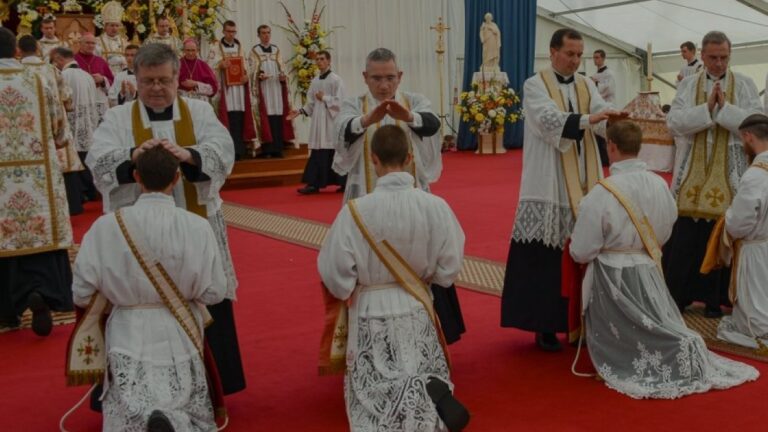
As someone who has never attended Mass at an SSPX chapel, nor even spoken to an SSPX priest, I have questions about their confusing status.
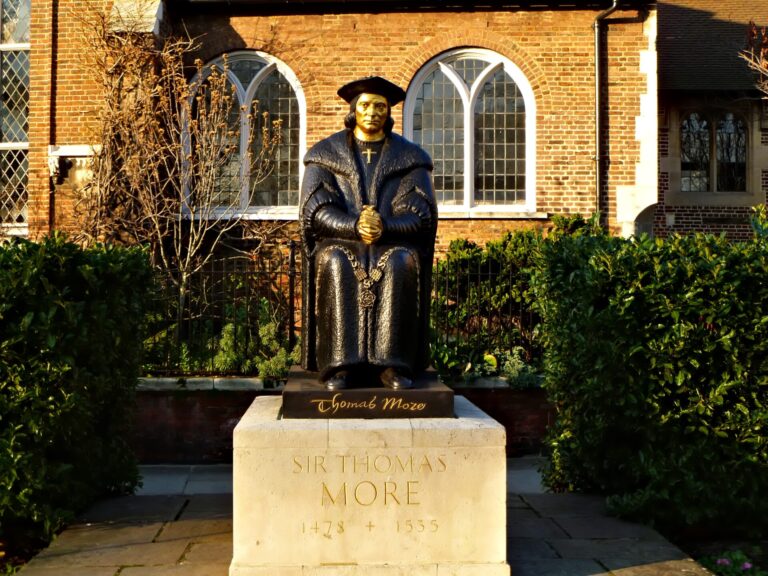
Much like St. Thomas More’s refusal to swear an oath to a legitimate authority, today’s Church crisis likewise calls for fidelity to the Faith when faced with conflicting human laws.

The problem is that the Catholic Church has been attempting to modernize itself over the past six decades plus in order to accommodate itself to modern society.
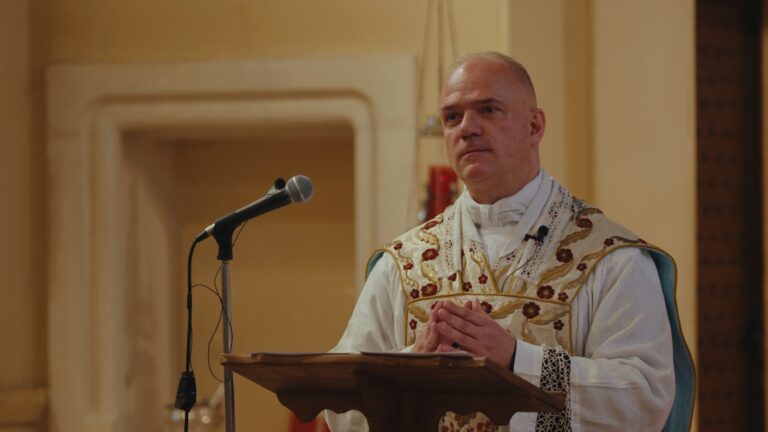
What one thinks about the SSPX, in a sense, is in the eye of the beholder.
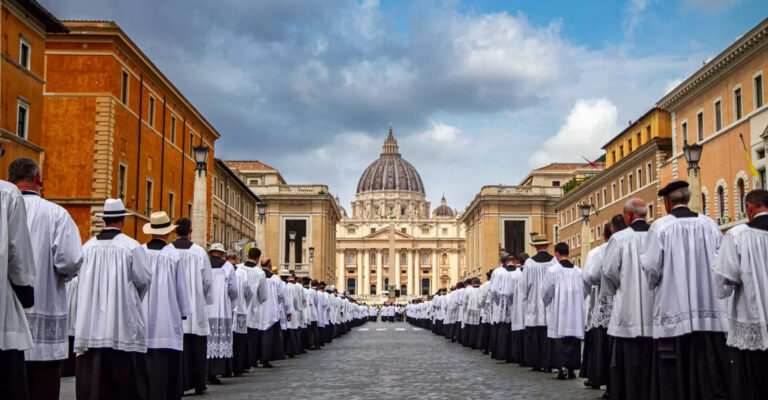
There is still a small squeaky contingent who would wish, by their proclamations, for the SSPX to be schismatics – even against the desires and actions of Rome and the Roman Pontifex.