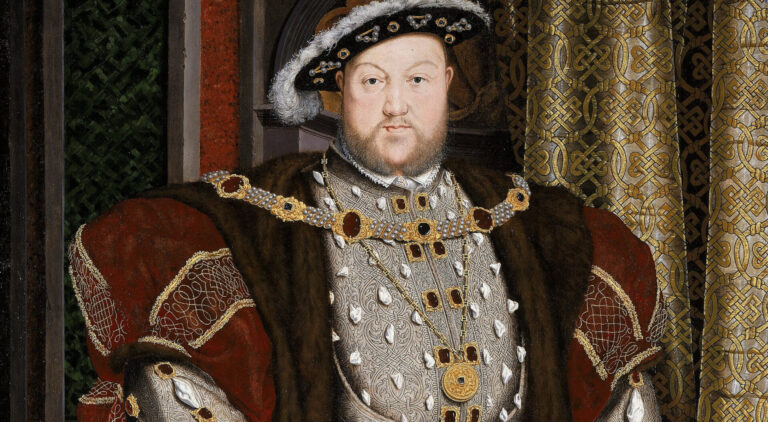
Was Henry VIII a Protestant?
To claim that Henry VIII was never a Protestant does not entail that he remained “a devout Roman Catholic,” even after separating all of England from Rome.


To claim that Henry VIII was never a Protestant does not entail that he remained “a devout Roman Catholic,” even after separating all of England from Rome.
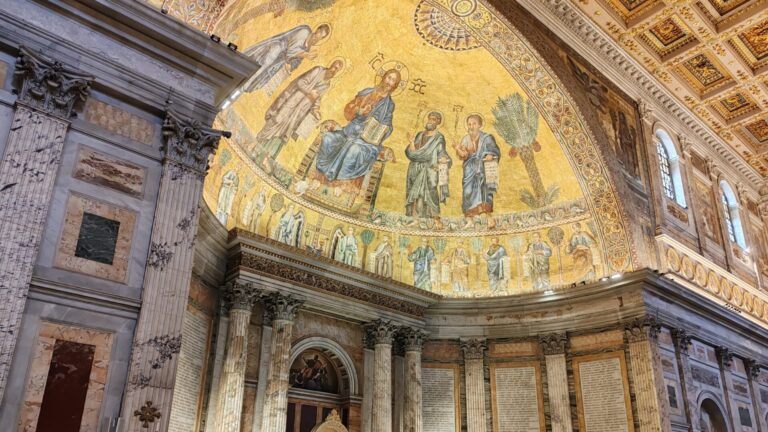
As the crisis in the Church continues to deepen and metastasize, faithful Catholics, by their confirmation, are called to remain steadfast in the faith of their fathers.
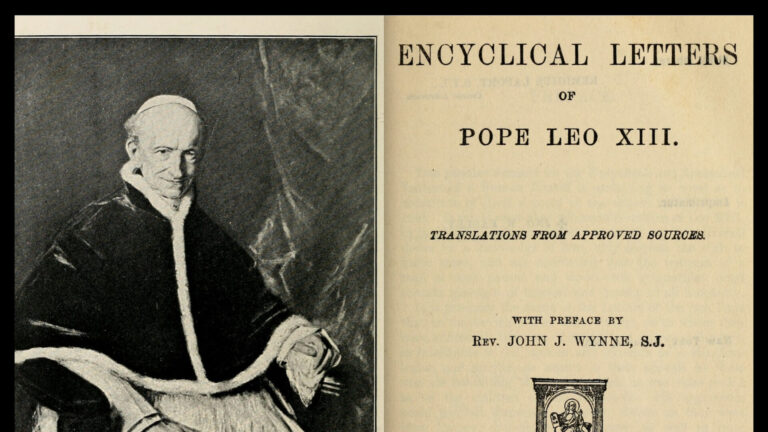
If there is one thing that the endless stream of impenetrable Papal tomes has made self-evident, it’s that they weren’t written to actually be read.
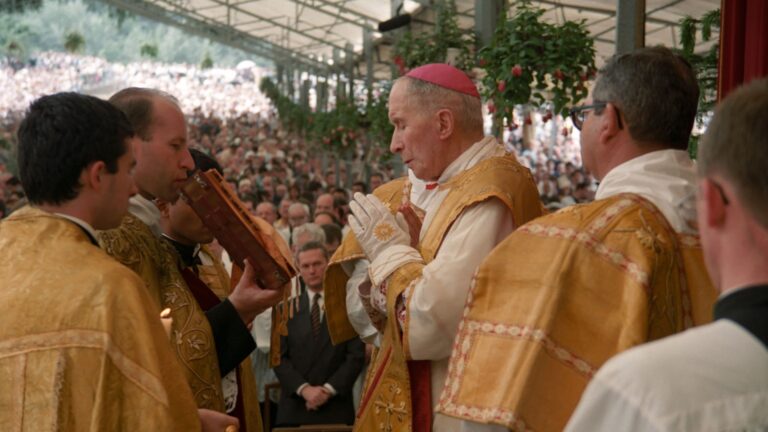
The Church’s ‘state of emergency’ is exemplified by this: that for Rome, the only unforgivable sin is noticing there is a problem.

The problem is that the Catholic Church has been attempting to modernize itself over the past six decades plus in order to accommodate itself to modern society.
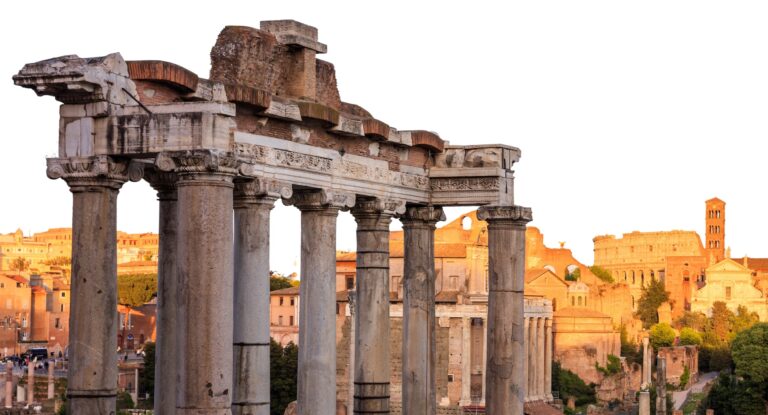
I can understand why one might want to associate the Church with the glories of the Roman Empire, but such associations, though they may be historically important, are not essential for her.
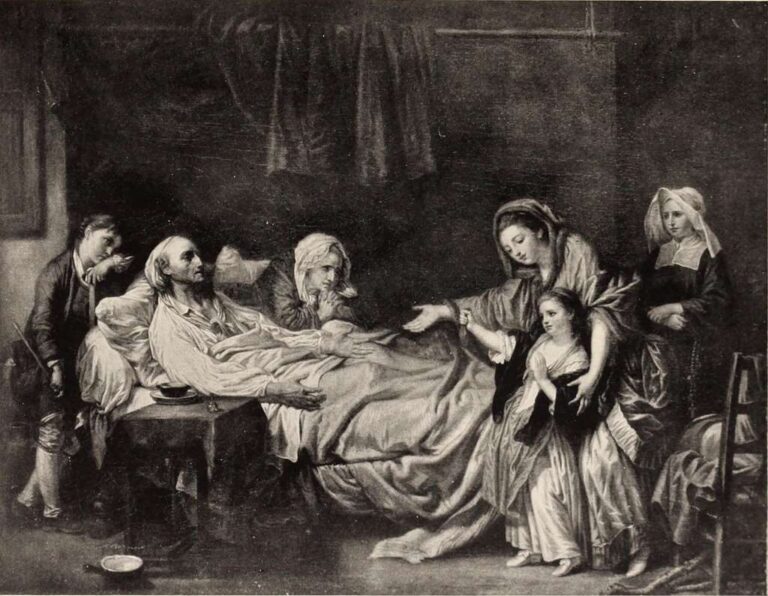
Advent is a a time of looking towards the first coming of Christ as a baby, which is precisely why the Church spends the season contemplating His second coming at the end of time.
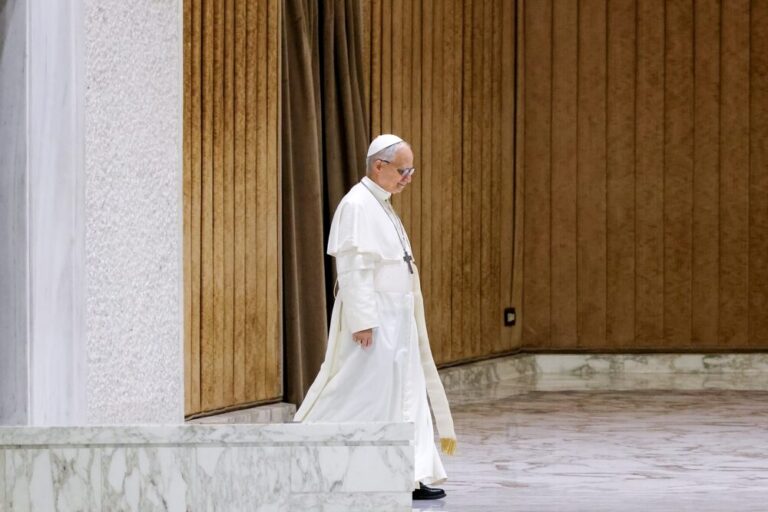
Popes since John Paul II have created the impression in the minds of many Catholics—and many outside the Catholic Church—that the Church believes the death penalty to be intrinsically immoral.

This is not a gentlemanly dispute that can be resolved by gestures of charity and humility. The Church is divided between people who have long ceased to believe in anything resembling the Catholic Faith, and those who still adhere to it.
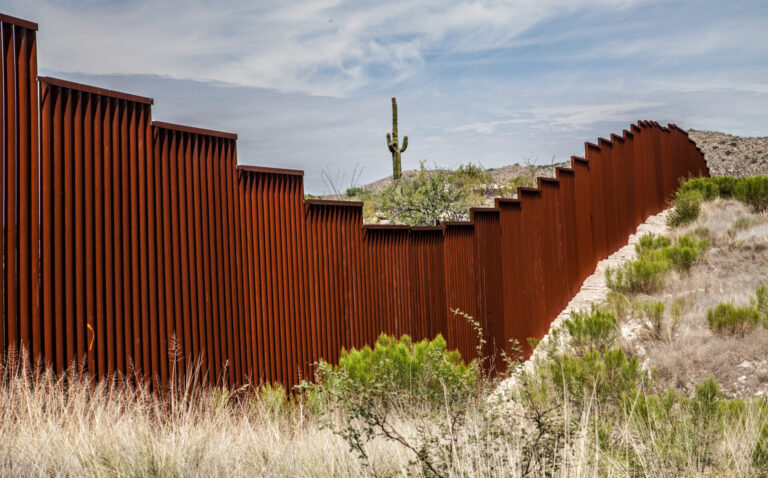
Erasing national borders is a godless vision of unifying mankind without reference to God.
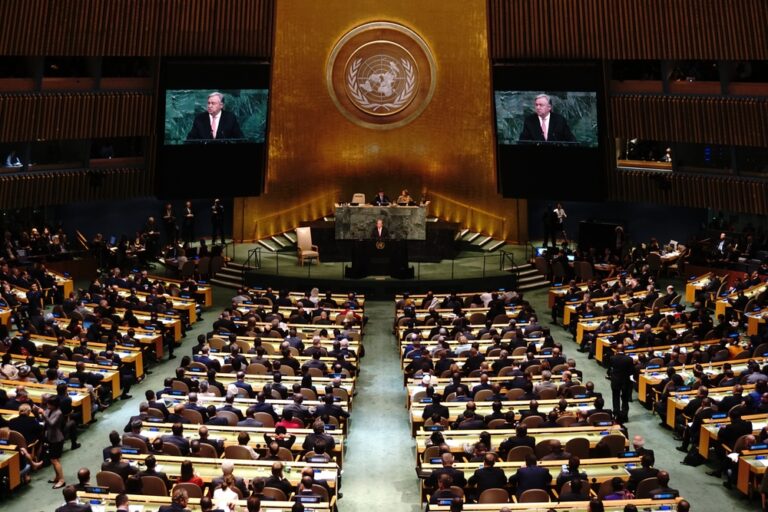
The conflict between nationalism and the Church came about because the Church believed society and human nature to be hierarchical, which clashed with the (relative) egalitarianism of nationalism.
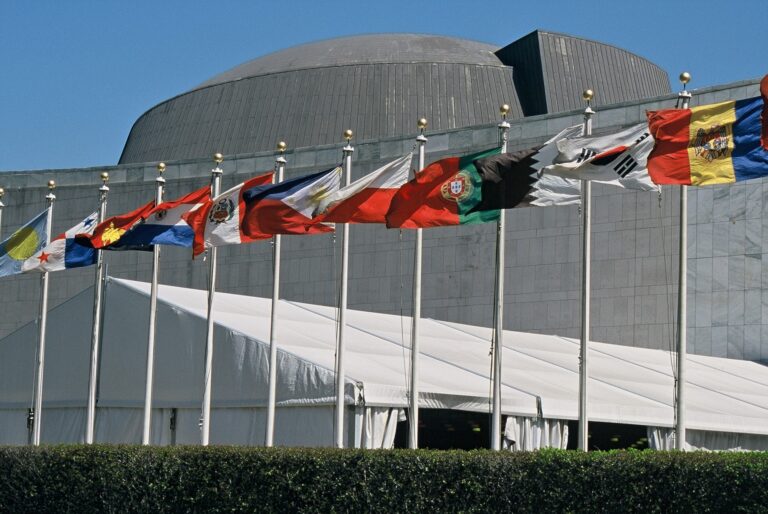
The Church’s turn toward the globalist vision can be explained by the “ancien régime,” nationalist revolutions, and world wars.
Nationalism is all the rage on the political Right these days, but the foundations of that nationalism are debated. What does the Church have to contribute in this debate?
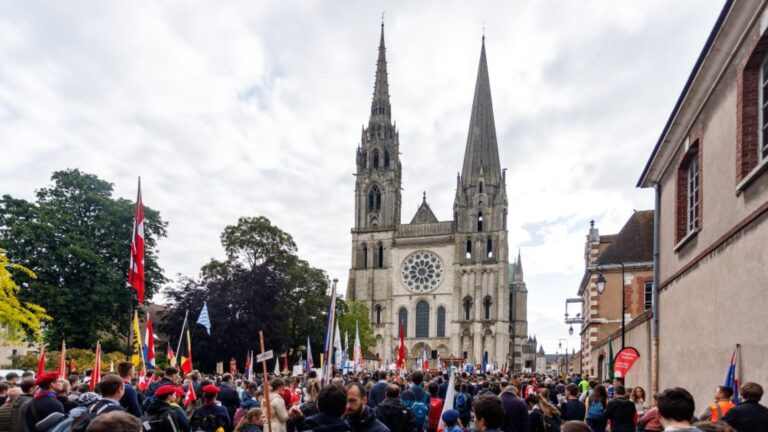
The Church is political because sometimes you cannot but favor one side or another in a conflict.
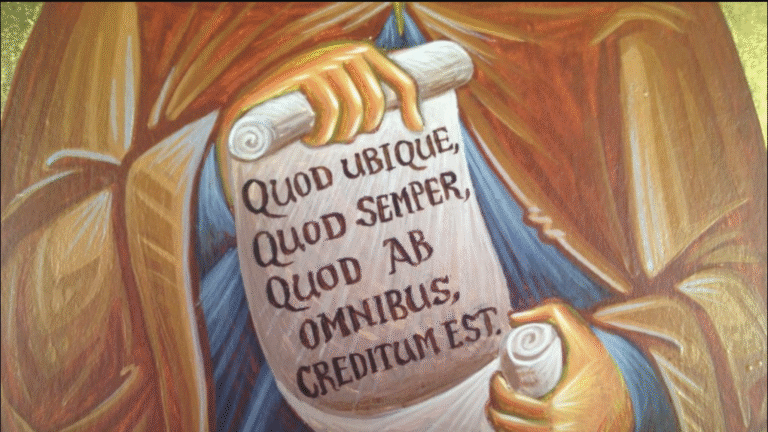
The notion that “the Holy Spirit picks the Pope,” a widely held but mistaken belief, darkens reasoning and clouds the Catholic intellect.
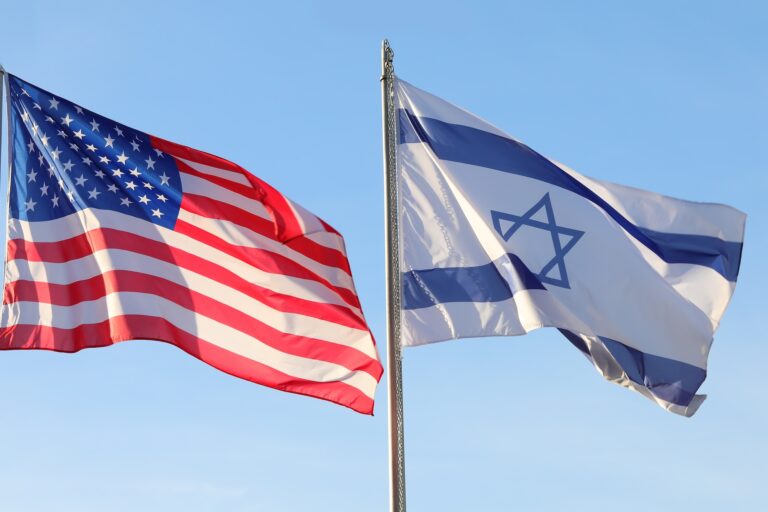
Trump and his supporters have touted an “America First” agenda, but this goes out the window when it comes to Israel.
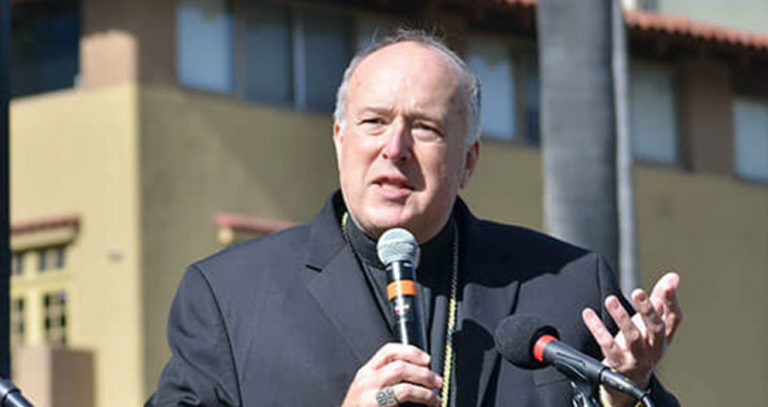
The Church, at least in its administrative aspect, is a patronage system, and the purpose of ecclesiastical appointments is to create powerful patrons who protect and promote clients.

Trump’s election is a reaffirmation of the basically liberal character of United States; it was moderate liberals forced right by the far left wing of the Democratic Party that carried him to his win.
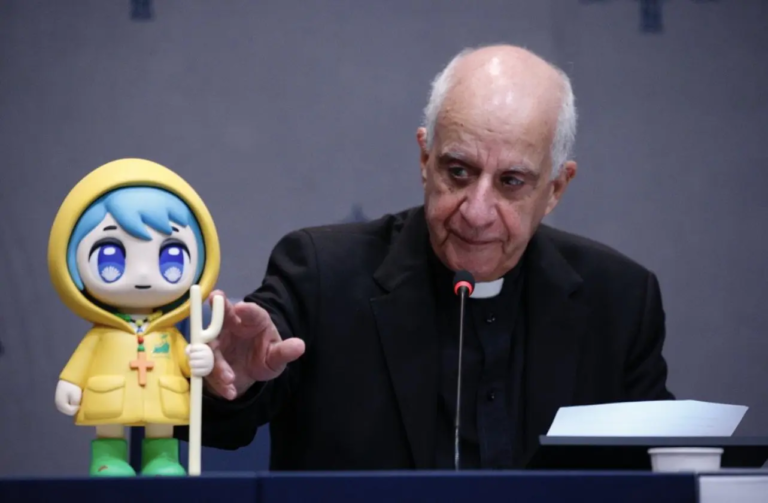
I expect heresy and moral scandal to blight the Church from time to time. What distresses me more is the utter lack of seriousness, the lack of appreciation for the awesome responsibility which Church leaders bear.
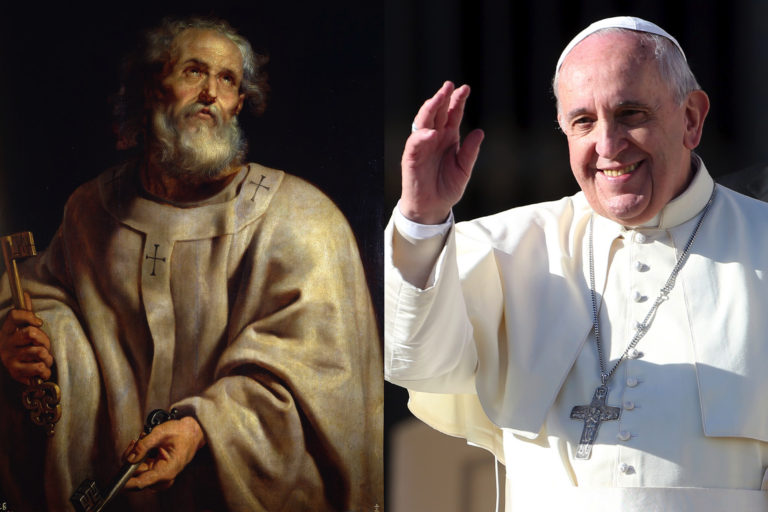
My love for Peter endures because he is like me, fragile flesh and blood, but also unlike me, in that he became holy, despite his sin. I must love the successor of Peter, even when that successor causes me to suffer.