
The Fire Went Out: Hearths, Health, and the Wisdom We Buried
So many of our modern conveniences shield us from the world which God created for the purpose of pointing us to Him.


So many of our modern conveniences shield us from the world which God created for the purpose of pointing us to Him.
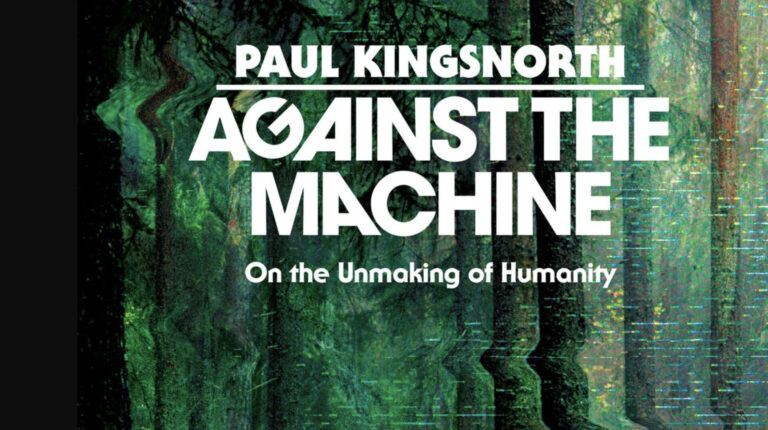
Many prophets of doom expertly diagnose society’s ills, but do they offer a coherent vision for the future that looks any different than the catastrophes of the 20th century?
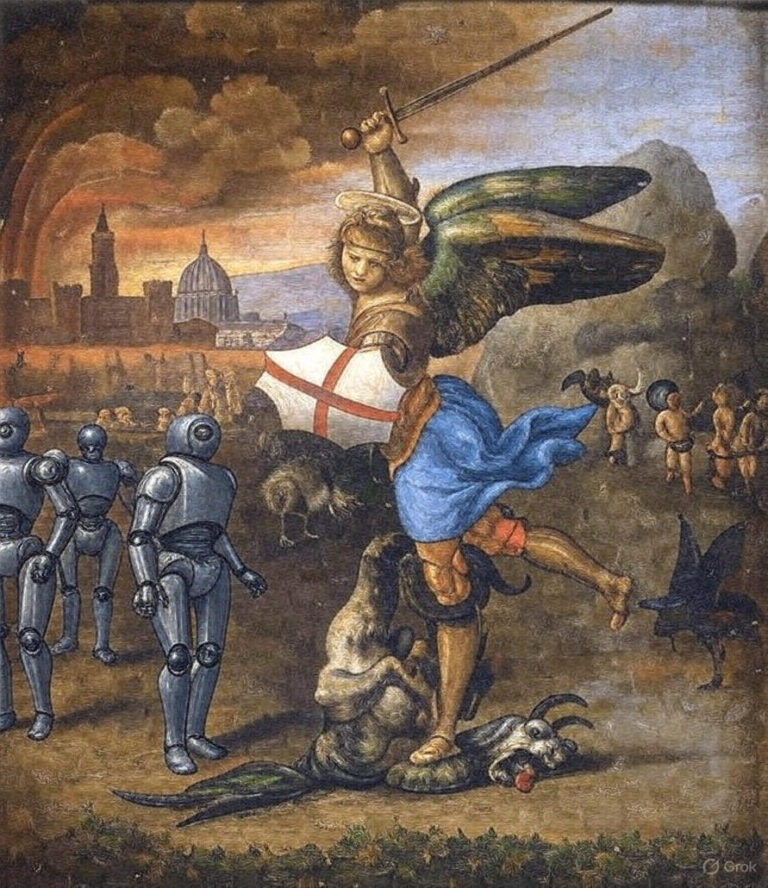
In choosing the name Leo XIV, the new pope may be signaling that he is prepared to carry on the battle that Leo XIII waged—not with weapons of this world but with the power of truth, prayer, and a deep awareness of the spiritual struggle that undergirds every age.
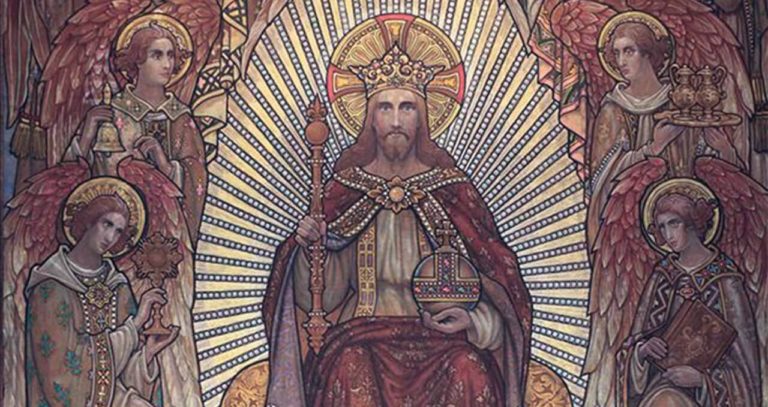
The Amazon synod touches directly or indirectly on many issues that will have repercussions far beyond the river basin. Among them is democracy and its relationship to the Church of Rome. The current Vatican regime claims that the principle of “synodality” in ecclesiastical government is both legitimate and valuable. Bishops are in closer contact with … Read more
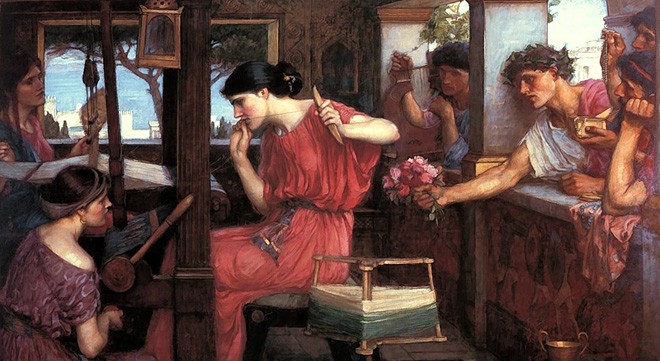
“Sing to me of the man, Muse, the man of twists and turns driven time and again off course, once he had plundered the hallowed heights of Troy.” The opening words to Homer’s Odyssey are among the most famous and recognizable in Western literature. That beginning stanza captures so much of the human condition and … Read more
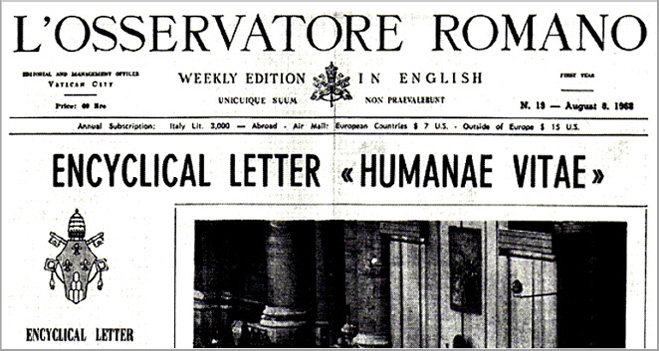
July 25, 2018 marks the 50th anniversary of Pope Paul VI’s encyclical, Humanae Vitae (HV). This encyclical, and its subsequent contestation in certain “Catholic” circles, has been a defining moment of the past half-century. The central teaching of HV (#12) is that there is an “inseparable connection, established by God, which man on his own initiative … Read more
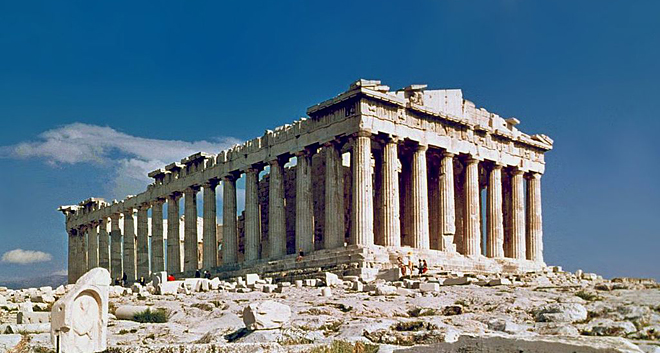
Man is not a body of mass in motion with the aim of peaceable consumption as modern anthropology suggests. Man does not live on bread alone; man is, as the ancients knew, a social animal. However, the great revelation of Christian anthropology is that man is also a cultural animal. Culture, rooted in the Latin … Read more
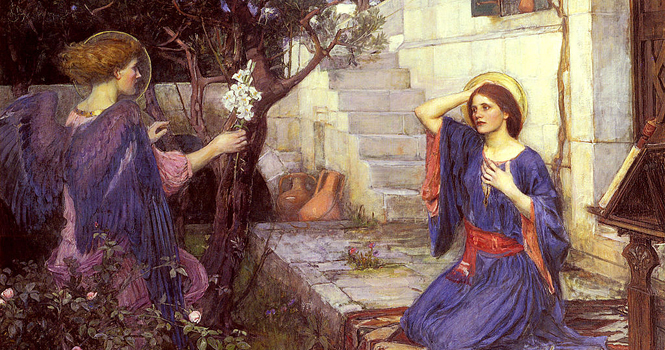
Perhaps the most under-appreciated feast of the General Calendar is the one celebrated on April 9, the Solemn Feast of the Annunciation. Truly worthy of the title “First Class Feast,” for centuries it marked the first day of the year, connecting the civil calendar with the idea that, at the Incarnation, the world was born … Read more

Vainly do men of our time seek remedies for the cultural maladies affecting us. Each exertion of the political elite or the bien pensant only seem to deepen their woes. Faced with such existential crisis modern men seek corrupting escapes or the violence of bankrupt political extremism. Indeed, these things assume the kind of devotion … Read more
As Easter comes ever closer the importance of the incarnation, death, and resurrection of Christ should be magnified for every Christian. Christians should not forget the underlying message of the Easter story—the freedom won in Christ’s death and resurrection. For this is one of two major competing stories in modernity, and one that modernity would … Read more
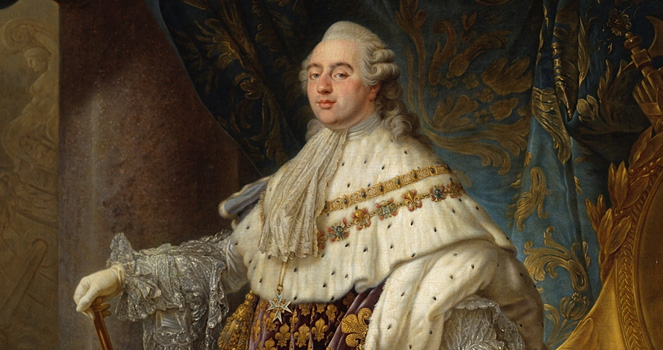
Early on the morning of January 21, 1793, King Louis XVI heard his last Mass. Following Mass, the king was taken from his prison to the Palace Louis XV, where he would suffer the same fate on the same date as Agnes of Rome, the ancient martyr commemorated in the Mass of the day. This … Read more
On October 31, 1517, a 34-year-old Catholic priest affixed a notice of disputation, consisting of ninety-five theses, to the door of the castle church in the German town of Wittenberg. That act has come to be seen down the ages as a dramatic gesture of defiance and an open declaration of rebellion. It was not. … Read more
Anyone who knows anything about the Judeo-Christian tradition (an increasingly small group, I know) is aware that the Hebrew law “an eye for an eye and a tooth for a tooth” was intended to limit the bloodthirsty drive for vengeance. As Saint Augustine observed, “For who will of his own accord be satisfied with a … Read more
“Happy the man that understands the causes of things,” wrote Virgil. Polish philosopher Ryszard Legutko, who is also a Member of the European Parliament, is one of those deep thinkers who likes to get to the root of matters. He is not content with superficial observations or political platitudes. In his new book, The Demon in … Read more
We live in times of radical change, so if we want to understand what’s going on why not start with the sayings of revolutionaries? In the most basic of modern revolutionary texts, the Communist Manifesto (1848), Marx and Engels tell us that in modern industrial society “all that is solid melts into air, all that … Read more
In the midst of Trumpmania and the swooning over Bernie Sanders’ Kentucky Fried Socialism, we see, if not blatant calls for political salvation, at least the expectation of it. This is nothing new nor is it peculiar to the United States. But the advanced case of Carteresque malaise from which the country now seems to … Read more
At a certain point in modern times, it was decided that God, the Creator of heaven and earth, should stay out of the business of running the world he created. Supposedly, men could do it much better without him. All this was done, mind you, with a certain amount of tact and propriety so as … Read more
According to the German Catholic philosopher Josef Pieper, the “wisdom of the West” expresses the sum total of what man “ought to” be. This wisdom was then discredited and rejected in the Modern era, and so is largely unavailable to post-modern man, who bobs along in the wake of Modernism, which has largely discredited itself. Here … Read more
The Gospel of the First Sunday of Lent always features one of the Synoptics on the temptation of Jesus in the desert. This year, we read from Luke. Spiritual writers have long reflected on the meaning of the temptations—for bread, for goods, for worship—that those temptations embody. The temptations Jesus faced are temptations we all … Read more
The modernist French literary figure Charles Baudelaire coined the maxim that “the devil’s best trick is to persuade you that he does not exist.” I respectfully disagree. The aphorism appears in a short story entitled “The Generous Gambler,” told in the first person, in which the storyteller reflects upon a pleasant evening he spent with … Read more